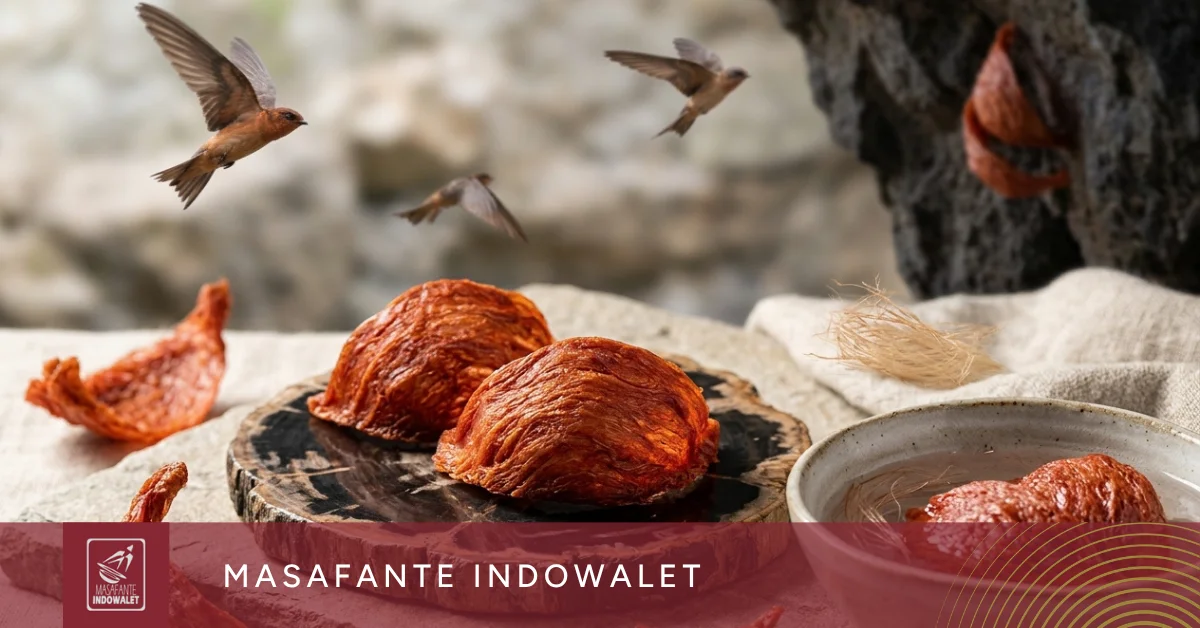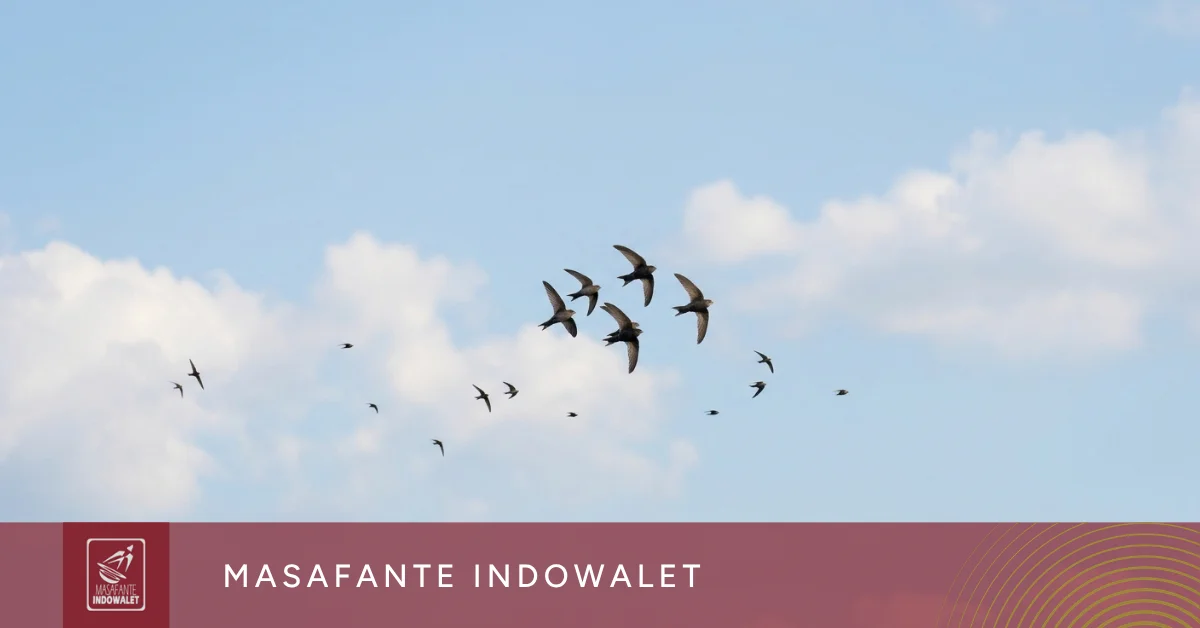
Understanding swiftlet behavior starts with looking at their original habitat, which consists of remote caves. Generally, these caves feature steep cliffs near the open sea. Dense forests usually surround the area around these caves. Swiftlets prefer regions with water sources like rivers, lakes, grasslands, and tall trees. These areas provide an abundance of small insects, which are the main food source for swiftlets.
In Indonesia, these birds spread across major islands including Java, Sumatra, Kalimantan, Sulawesi, and Nusa Tenggara. To further understand swiftlet behavior, you must know that they prefer fertile areas and avoid barren regions, despite their high-flying abilities. Furthermore, one of their traits is disliking areas with altitudes over 1,500 meters above sea level. In addition, the bird’s nest location strictly requires humid conditions.
Swiftlets prefer a humid living space with minimal or no light. They thrive when very little sunlight enters the room. This preference matches their original swiftlet behavior in shaded and dark caves. Unlike other animals, swiftlets have no difficulty navigating the darkness around their nests. To overcome this darkness, they do not rely on their visual senses. As a farmer or aspiring entrepreneur in bird’s nest cultivation, you must understand swiftlet behavior to produce the best quality nests.
5 Key Traits of Swiftlet Behavior
Here are some essential traits regarding swiftlet behavior:
1. Preference for High-Humidity Habitats
The original habitat of swiftlets is a cave. Therefore, any house or building intended for bird’s nest cultivation must replicate these original habitat conditions, especially the humidity. The required room humidity levels are around 85-95%. The suitable room temperature for swiftlets ranges between 25 and 29 degrees Celsius. Swiftlets desire a location that is quiet, safe, and free from air pollution.
2. Colonial Swiftlet Behavior
A key aspect of swiftlet behavior is that they live in colonies, not solitarily. Although members of one group can move to another, no swiftlet lives completely isolated from the rest. The number of members in a swiftlet group varies, depending on the size of their living space. The larger the living space, the larger the group members will be.
Several groups can inhabit a single house or cave. Swiftlets form groups for all life activities. For instance, they group together to hunt for insects in the forest. They depart together in the morning and return together in the evening. A swiftlet group will build their nests close to one another in their home. Conflicts between groups never occur inside a swiftlet house. Even though they live crowded together in one place, they do not disturb one another.
3. Distinct Flight Patterns
Swiftlet behavior also includes distinct flight patterns when searching for food compared to when they return home. When hunting for food, they usually fly in a straight line. However, after hunting and returning home, swiftlets will fly in circles around the house.
During the nesting and breeding season, swiftlets return home earlier than usual. Swiftlets possess a strong homing instinct. They bind themselves to their living space and will always return to that same place as long as the conditions remain suitable and safe.
4. Echolocation System for Navigation
Swiftlets can return home without getting lost or entering the wrong house because they use an echolocation system. This system utilizes sound reflection to measure distances. Generally, swiftlets return home after dusk, so the inside of the house is extremely dark. To precisely locate their nests, swiftlets emit high-pitched squeaks. The walls of their nesting house reflect this sound back to them. This echolocation guides the swiftlets to their house and exact nest locations.
5. Nest Building Timeframe
Swiftlets have a pair of salivary glands in their throats that produce saliva. They carry out the nest-building process continuously every day. The complete formation from start to a perfect nest takes about 40 to 80 days. This timeframe heavily depends on the supply of their natural food, which is insects. If food is abundant during the breeding season, nest building only takes 40 days. However, if natural food is scarce or unavailable, the process can take up to 80 days.
Get Premium Nests Based on Natural Swiftlet Behavior
The Chinese Ministry of Health highly recommends edible bird’s nests as a nutritious food source. Edible bird’s nests are famous and proven, both in modern science and traditional practices, to boost antibodies.
If you are looking to source high-quality edible bird’s nests, please contact our team to discuss your needs, or reach us directly at +62 819 9736 9234 (WA/Phone) and marketing@masindowalet.com.