Real vs fake bird's nest

Real vs Fake Bird’s Nest: 6 Tips to Identify Them

Edible bird’s nest is a highly nutritious food. Its properties can cure various diseases, including severe illnesses like cancer. This health benefit gives the bird’s nest a high market value. To obtain premium quality, you must ensure that you consume an authentic product. Knowing the difference between a real vs fake bird’s nest is crucial for buyers.

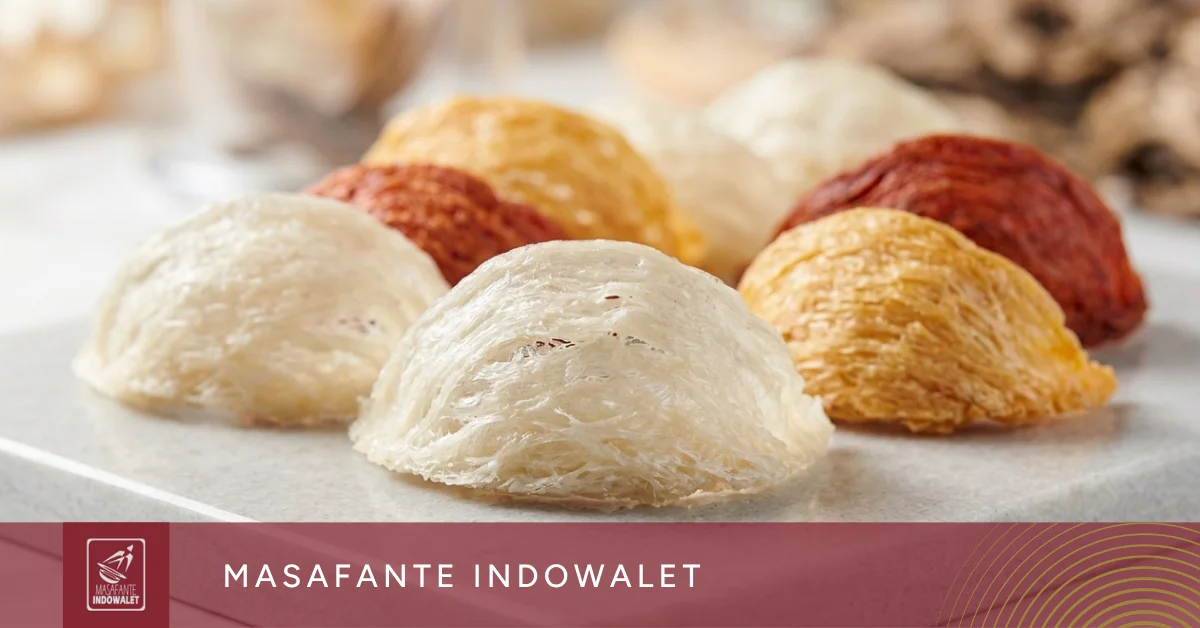
A genuine, high-quality bird’s nest features an ivory or cotton-white color. It usually comes in a bowl, oval, or triangle shape. However, irresponsible sellers often distribute counterfeit products. Manufacturers create these fake nests using various materials, typically mixing seaweed with bird feces, pig skin, and mushrooms.

6 Factors to Identify a Real vs Fake Bird’s Nest

It is not too difficult to differentiate the authentic products from the synthetic ones. You can review the following six factors to clearly identify a real vs fake bird’s nest:

1. Transparency of a Real vs Fake Bird’s Nest

Look closely at the nest. A genuine nest will appear clear or translucent when you hold it up to a light source. Conversely, a counterfeit nest looks pure white or opaque. This happens because manufacturers use chemicals to produce the fake ones.

2. Fragility Differences

In a dry condition, an authentic nest is very fragile. If you crush it with your hands, it will break down into a fine powder. A synthetic nest, however, will break into large chunks when you crush it.

3. Smell Test

An original nest emits a natural, slightly raw, and fishy aroma. In contrast, a synthetic nest smells heavily of plastic and medicine.

4. The Soaking Method for a Real vs Fake Bird’s Nest

This factor is perhaps the easiest way to differentiate them. Soak the nest in water for 1 to 2 hours, then observe the changes. An authentic nest will expand to twice its original size. A counterfeit nest will retain its original size.

5. Water Color After Soaking

When you soak a genuine nest, the water remains clear and transparent. A synthetic nest will change the color of the water. This discoloration occurs because sellers add chemical whitening agents to increase the selling price.

6. Bubbles and Foam

Since the original nest consists of swiftlet saliva, it dissolves well in water. If you stir a soaked authentic nest, it will produce air bubbles or foam on the surface while the water stays clear. A fake nest will turn the water cloudy and produce no bubbles. Explore our genuine product processing methods by visiting Our Products.

Buy a Real Bird’s Nest from a Trusted Company

As a buyer, you must remain cautious to ensure you get genuine, high-quality products. PT Masafante Indowalet is a highly trusted company that produces premium bird’s nests. We received the Anugerah Citra Indonesia award as “The Best Quality Swallow Nest Company of the Year” in 2019, 2020, and 2023.

If you are looking to source high-quality edible bird’s nests, please contact our team to discuss your needs, or reach us directly at +62 819 9736 9234 (WA/Phone) and marketing@masindowalet.com.

Our Products

Drypick bird nest refers to a type of bird nest that has been carefully harvested by hand from swiftlet houses without any chemical or artificial stimulation. It is a highly prized ingredient in food due to its exceptional quality and purity.

Wet Cup Bird's Nest is derived from the nests built by swiftlets, small birds found in caves and coastal areas. These nests are constructed using the bird's saliva and are highly valued for their edible and nutritional properties.

Most big broken swallow nests are derived from compacted or pressed triangle-shaped nests, giving them a broken appearance. However, does not diminish the nutritional content found within the swallow's nest.

Grade AAA (A3) Bowl-shaped Swallow Bird's Nest is the finest in its class, with sizes ranging from 2-3 cm upwards. Swallow bird's nests contain various nutrients that are highly beneficial for the body, including Collagen and Elastin, which are not commonly found in other foods.

Newsroom

Our Latest News

Find out about PT Masafante Indowalet’s recent updates and more useful information about the benefits of bird’s nests.

FAQs About Edible Bird Nest

Browse the high-quality white nests from our product’s catalogue.

Masafante Indowalet takes pride in sourcing our bird’s nest products from pristine coastal regions, ensuring unparalleled quality and nutritional benefits. 

To cook edible bird’s nest, start by soaking it in water until softened. Then, gently simmer the softened bird’s nest in a pot of water with rock sugar, allowing the flavours to meld together. Cook on low heat until the bird’s nest turns gelatinous and the rock sugar has dissolved. Serve warm and nourishing bird’s nest soup.

Bird nests have been traditionally believed to improve skin health due to their collagen content and amino acid profile. Collagen is a protein that contributes to skin elasticity and hydration. While individual experiences may vary, some people claim that using bird nest-based skincare products or consuming edible bird’s nests may help promote smoother, more youthful-looking skin as it acts to boost the epidermal growth factor.

Studies conducted on the direct effects of bird nests on human consumption also promote good bone health.

Basically, edible bird’s nests do have an expiration date. The shelf life of edible bird’s nests can vary depending on various factors such as the processing method, storage conditions, and packaging.

Edible bird’s nest occupies a unique position as both a health-promoting health and delicacy. Renowned for its nutritional content and potential therapeutic properties, it is often considered a valuable form of traditional medicine. Simultaneously, its exquisite taste and texture have made it a sought-after ingredient in fine dining, elevating it to the status of a gourmet delicacy. The dual nature of edible bird’s nest as a health-enhancing food and a luxurious culinary experience underscores its exceptional appeal to those seeking both nourishment and gastronomic pleasure.

Edible bird’s nests are harvested through two main methods: cave and house collection, as well as farming. In cave collection, skilled harvesters venture into natural caves to carefully gather the nests built by swiftlets, ensuring minimal disturbance to the birds and their habitats. House collection involves constructing artificial swiftlet houses that mimic the birds’ natural environment, encouraging them to build nests within these structures. Alternatively, farming involves cultivating swiftlets in controlled environments, providing them with suitable nesting spaces to create the nests, which can then be harvested sustainably.

The main difference between red and white bird nests lies in their respective colors and nutritional content. Red bird’s nests are characterized by their reddish hue, which is believed to be influenced by the nests’ high iron and mineral content. On the other hand, white edible bird nests are typically lighter in color and are valued for their higher protein and amino acid content. Both types of bird’s nests are considered luxurious delicacies with potential health benefits, but they are harvested from different species of swiftlets and may vary in price and availability.

We use high-quality hard-transparent mica to ensure the safety of our products

Edible bird’s nests are highly valued and sought after in certain cultures, particularly in East Asia. They are made from the nests of swiftlets, a small bird found in coastal regions. The nests are constructed using the bird’s saliva and are harvested for culinary purposes.

Edible bird’s nests are considered a delicacy and are often used in traditional Chinese cuisine. They are known for their unique texture, which is gelatinous and slightly chewy when cooked. The nests are typically used to make soups and desserts, or consumed on their own.

The consumption of edible bird’s nests has a long history in Asia, particularly in countries like China, Malaysia, Indonesia, and Thailand. The tradition of consuming bird’s nests dates back over a thousand years in China. It is believed to have originated in ancient China since the Tang Dynasty (618-907 AD). Historical records mention the use of bird’s nests for their nutritional property and became the most demanded traditional Chinese medicine.

Edible bird’s nests are also an integral part of culinary traditions in Southeast Asia. Countries like Malaysia, Indonesia, and Thailand have a rich history of harvesting and consuming bird’s nests.

Edible bird’s nests are renowned for their impressive nutritional profile. These delicate nests contain a rich combination of essential nutrients. They are a natural source of sialic acid, an important compound believed to support brain function and cognitive health. Edible bird’s nests also possess antioxidant properties, from the unique blend of amino acids and peptides. These antioxidants help combat oxidative stress and promote overall well-being. While low in carbohydrates, the nests contain a variety of amino acids, including the therapeutic amino acid tyrosine. This amino acid plays a crucial role in neurotransmitter production, mood regulation, and cognitive performance. With their remarkable nutritional composition, edible bird’s nests offer a unique and valuable addition to a balanced and healthy diet.

Edible bird’s nests are made primarily from the saliva of swiftlets (sarang burung walet), a small bird found in coastal regions of Southeast Asia. The swiftlets use their saliva to construct intricate nests on cave walls or within specially constructed swiftlet houses. The saliva, when solidified, forms the main component of the nest.

Edible bird’s nests have long been recognized for their potential benefits to human health. Considered a medicinal food in some cultures, these nests are believed to offer a range of positive effects. The presence of bioactive compounds suggests that edible bird’s nests may have a positive impact on various aspects of human health. They are often associated with skin health, as they may support collagen production and provide essential nutrients for a radiant complexion. Additionally, their traditional use as a health tonic implies potential overall health-promoting properties. However, it’s important to note that scientific research is ongoing, and individual experiences may vary. As with any dietary supplement or ingredient, it is advisable to consult with a healthcare professional for personalized advice regarding your specific health needs.

Choosing the wrong products for edible bird nests can have several potential side effects. Poor-quality bird nests may lack the desired nutritional content, diminishing the potential health benefits associated with authentic nests. Improperly processed nests may contain contaminants or impurities that could lead to adverse reactions or health risks. Additionally, unethical sourcing practices may contribute to environmental degradation and harm bird populations.

To manifest the best result from the birds nest, select trusted and reputable suppliers to ensure the authenticity, quality, and safety of edible bird nests and to avoid potential side effects.

The frequency of consuming a bird’s nests are mostly depending on individual needs and preferences. There is no specific recommendation for how often one should eat bird’s nest. However, it is generally considered a valuable supplement rather than a staple food.

Yes, a bird’s nest can be beneficial for the gut due to its nutritional composition and unique properties. It contains proteins, amino acids, and other nutrients that can support gut health and digestion. The gelatinous texture of the nest produced by the mucin glycoprotein of edible bird’s nest can also provide a soothing effect on the digestive system.

The price applied in the catalogue does note include the shipping fee

FREQUENTLY ASKED QUESTIONS

Contact Form For Questions

Keep in touch with us for more information about our edible swiftlet products

Sampoerna Strategic Square SouthTower

Jl. Jenderal Sudirman No.Kav 45-46, Sudirman, Jakarta Pusat, DKI Jakarta 10210

Masafante Indowalet

© 2026. All Rights Reserved.