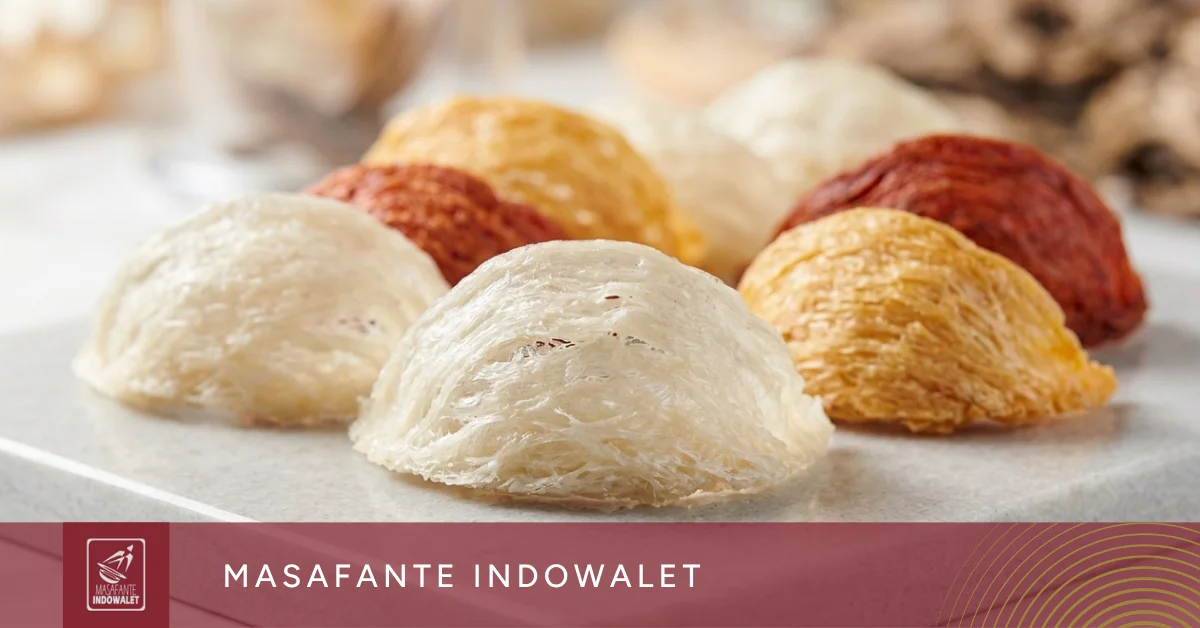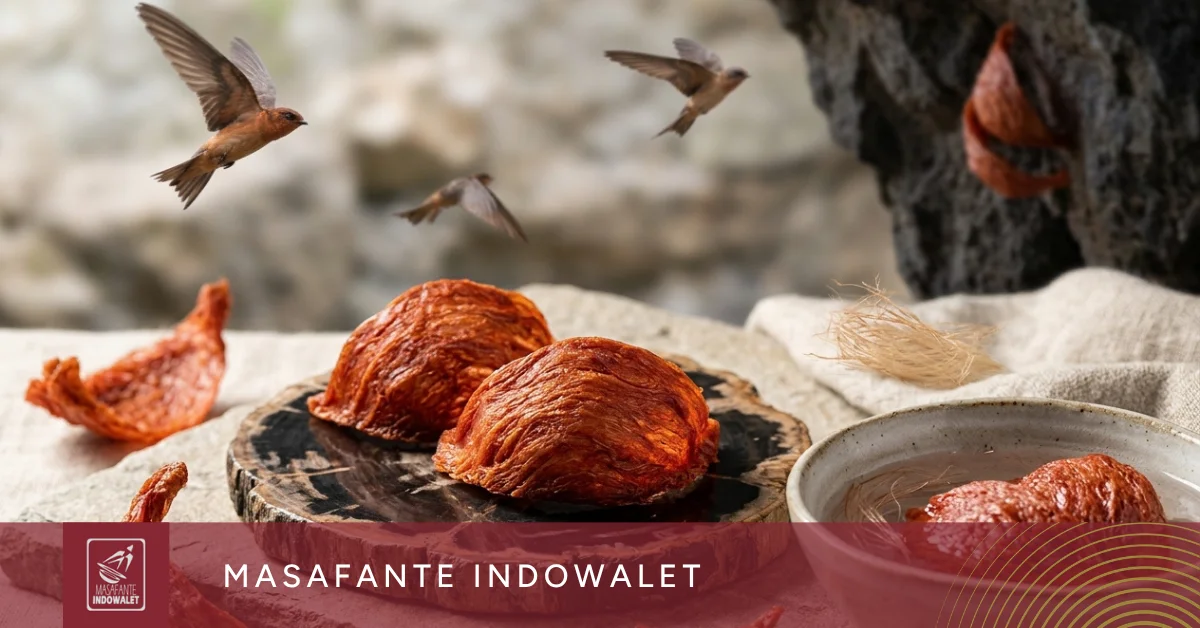
Long time ago, people considered the red bird nest, also known as the red blood bird nest, as their favorite choice. Many individuals believed these nests came from saliva containing swiftlets blood. This led them to think the nests held special merit. However, this opinion is completely wrong.
Many consumers do not understand the actual production process of the red blood bird nest. To learn more about swiftlet habitats and their diet.
Categories of the Red Blood Bird Nest
Experts differentiate the red blood bird nest into two main categories: natural nests and chemically manufactured nests. The original natural red bird nest maintains a permanent color and offers excellent quality. In contrast, manufactured red bird nests have low quality and can harm consumers.
Regarding size, a red bird nest is quite large. Each piece weighs around 8 to 10 grams. If you buy 1 kg of these nests, you will get approximately 100 to 120 pieces.
How Farmers Produce a Natural Red Bird Nest
A natural red bird nest commands a higher price than a white one because farmers face extreme difficulties producing it. To produce a natural red bird nest, farmers must modify the bird house to prevent strong air circulation and minimize oxygen. Next, they accumulate swiftlet feces and place them inside the building.
This setup triggers a chemical process that drastically increases the ammonia levels inside the bird house. Consequently, this intense chemical environment turns the white bird nests reddish. Farmers then harvest and save this specific red bird nest for consumption.
However, creating a natural red bird nest takes a long time, usually around 4 to 6 months. Because the production yields only a small quantity, the market price remains very expensive. Farmers also endure a difficult harvesting process. They must work in a musty room filled with high ammonia and low oxygen levels.
The Chemical Manufacturing Process
Manufacturers create chemical red bird nests using low-quality white nests, which often have a dull color. Many of these low-quality nests originate from Java. The chemical manufacturing process follows a specific method. First, workers heap white bird nests together with swiftlet feces inside a large box.
Next, they spray the box with water drops to make the contents wet. After that, workers apply EM4 to the heap to accelerate the decaying process of the feces. This combination of decaying feces and EM4 creates a chemical reaction that changes the nest’s color to reddish.
Consumers must exercise caution before they consume a red blood bird nest. You should carefully check the nest’s appearance, including its smell and color. Distinguishing between a natural and a manufactured nest can be difficult, so always buy from a trusted source.
If you are looking to source high-quality edible bird’s nests, please contact our team to discuss your needs, or reach us directly at +62 819 9736 9234 (WA/Phone) and marketing@masindowalet.com.