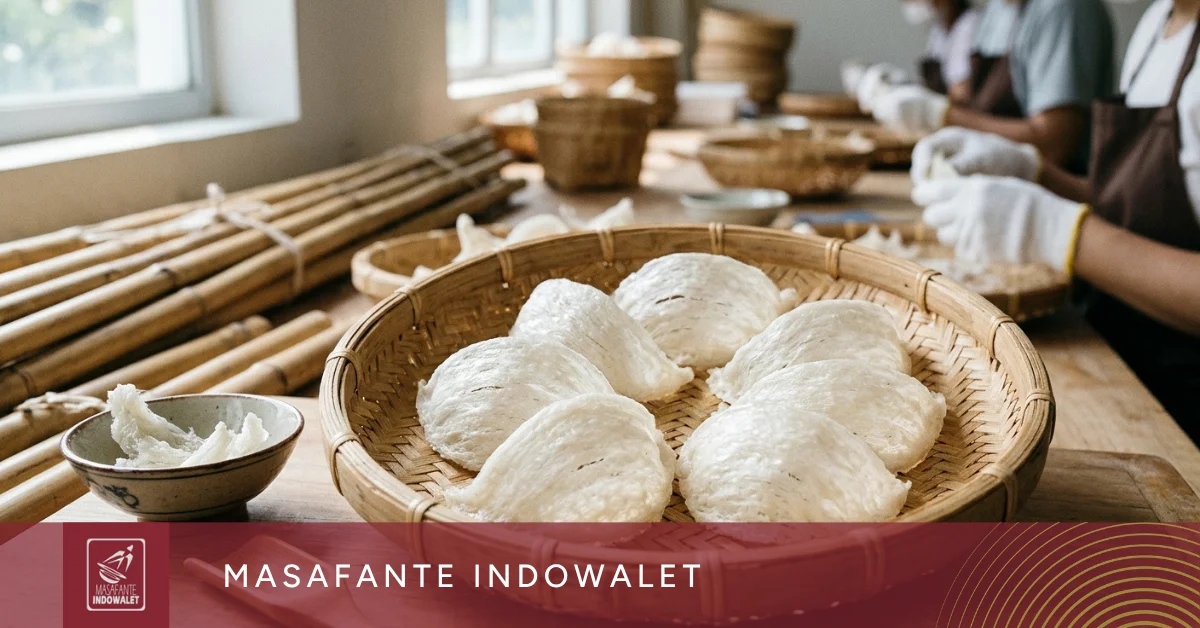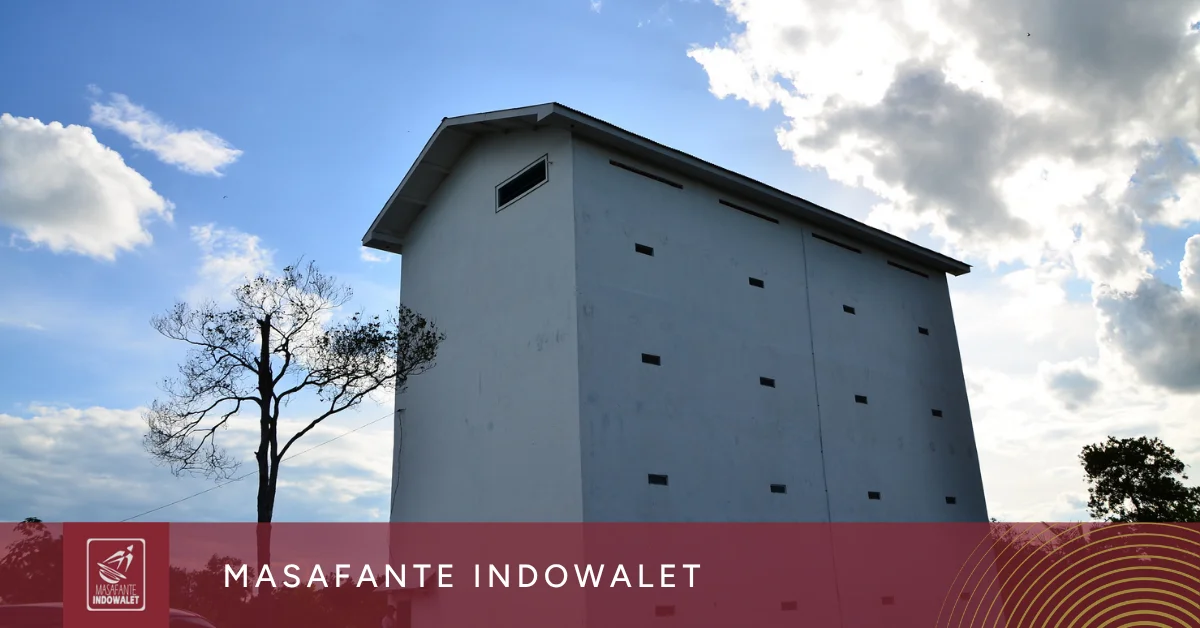
Today, consumers are becoming increasingly selective when choosing nest quality. Buyers only select high-quality products. Therefore, mastering proper bird’s nest harvesting techniques is essential to produce the best results.
Farmers must execute these harvesting processes with the correct pattern and timing to maintain the swiftlet population and the overall nest quality. Implementing incorrect bird’s nest harvesting techniques can cause the swiftlet colony to flee and never return.
3 Common Bird’s Nest Harvesting Techniques
Cultivators commonly apply the following bird’s nest harvesting techniques to manage their swiftlet houses:
1. The Forced Harvesting Technique (Panen Rampasan)
Farmers execute this pattern after the swiftlets build the nest but before they use it to lay eggs. They usually do this around 1 to 2 months before the rainy season arrives. This specific bird’s nest harvesting technique has the following pros and cons:
Pros: The cleanliness of the nest remains relatively high. Farmers can pick the nests more frequently, reaching an average of 5 to 6 harvests per year. The birds still have a chance to rebuild their nests before the rainy season starts.
Cons: The nest thickness is thin, and sometimes the shape is imperfect. This method quickly drains the swiftlet’s energy, which lowers its immune system and prevents it from reaching its maximum lifespan.
2. The Egg-Discarding Harvesting Technique (Panen Buang Telur)
Cultivators perform this bird’s nest harvesting technique after the swiftlets lay their eggs. It is suitable for swiftlet houses that already have a large population. Farmers should ideally harvest when there are exactly two eggs in the nest to prevent the mother swiftlet from experiencing stress and laying her eggs randomly.
Pros: The nest is relatively clean without too much dirt. The nest quality is quite good, featuring sufficient thickness and a perfect shape. It falls under the highest quality category because of its heavy weight.
Cons: The swiftlets cannot regenerate because the mother cannot incubate her eggs.
3. The Hatching Harvesting Technique (Panen Tetasan)
Farmers perform the hatching bird’s nest harvesting technique after the baby swiftlets hatch and leave their nests. This approach is perfect for swiftlet buildings with a small population.
Pros: It is the most natural method, so it does not disrupt the regeneration of the swiftlet colony. It also preserves the normal life patterns of the birds.
Cons: The nest becomes dirty due to baby swiftlet feces, broken eggshells, and other dirt. Farmers can only harvest 1 to 2 times a year.
Get Premium Products Using Sustainable Bird’s Nest Harvesting Techniques
We are a bird’s nest provider company that utilizes the hatching harvesting technique. This sustainable approach preserves the swiftlet population while still producing high-quality nests. Find out more about our premium products on Our Products.
If you are looking to source high-quality edible bird’s nests, please contact our team to discuss your needs, or reach us directly at +62 819 9736 9234 (WA/Phone) and marketing@masindowalet.com.